

What Is Bruxism? Teeth Grinding and Clenching Explained
Bruxism is the habit of clenching, grinding or gnashing your teeth, usually without realizing it. Many people do it in their sleep and only find out when a dentist spots the wear. Here is how to recognize it, what causes it, and how we treat it on Center Ridge Road.
The medical name for grinding and clenching your teeth
Most people clench occasionally. Bruxism becomes a problem when it happens most nights or most days, because tooth enamel does not grow back. The pressure of nighttime grinding can be several times greater than normal chewing, and it lands on teeth that were never designed to take it for hours at a time.
The good news is that bruxism is very treatable. At Westlake Dental Associates, Drs. Constantinou, Reichard, McClendon and Bekal look for grinding wear at every exam, fit custom night guards in our Westlake office, and repair any damage before it turns into a root canal or a lost tooth.
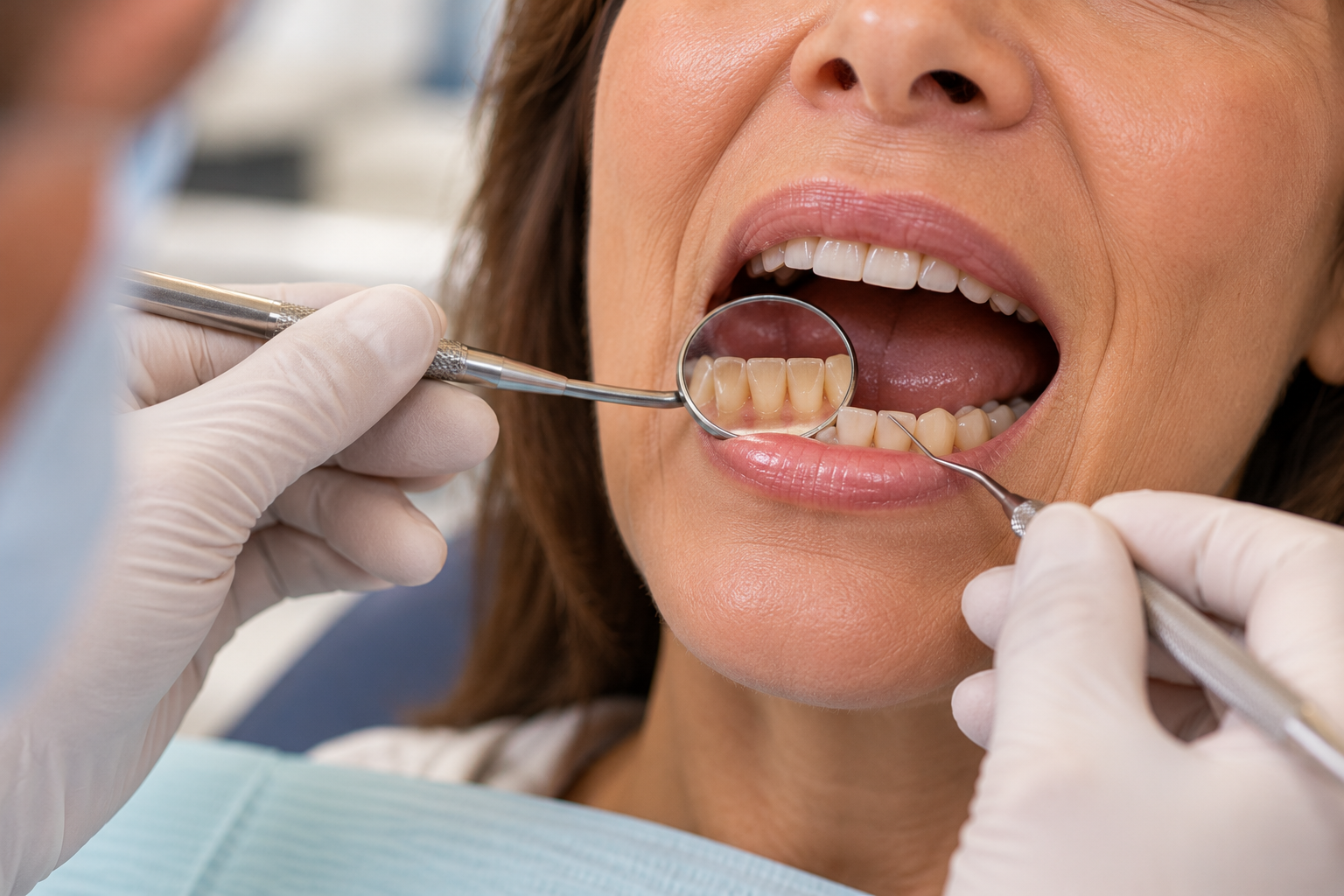
Six signs you may be grinding your teeth
Because most grinding happens during sleep, the clues show up in the morning and in the mirror. The more of these you recognize, the more likely bruxism is behind them.
Dull Headaches on Waking
A headache that starts at the temples and is worst first thing in the morning is a classic sign of a night spent clenching.
Why It Happens →Sore or Tired Jaw Muscles
Tenderness in the cheeks or in front of the ears, a jaw that feels stiff, or clicking when you open wide. Long-term clenching strains the TMJ.
TMJ Treatment →Flat, Short or Worn Teeth
Front teeth that look shorter or more even than they used to, or back teeth with flattened chewing surfaces, are wearing down from grinding.
Repairing Worn Edges →Sensitive Teeth
Thinner enamel exposes the softer layer underneath, so cold drinks, sweets and even brushing start to sting.
Dental Exams →Earache or Ringing
The jaw joint sits right in front of the ear canal. Clenching can cause ear pain or ringing (tinnitus) with no ear infection at all.
Jaw & Ear Pain →Chipped Teeth or Broken Fillings
Fillings that keep breaking, chipped corners or hairline cracks are often the first thing a dentist notices in a grinder.
Dental Crowns →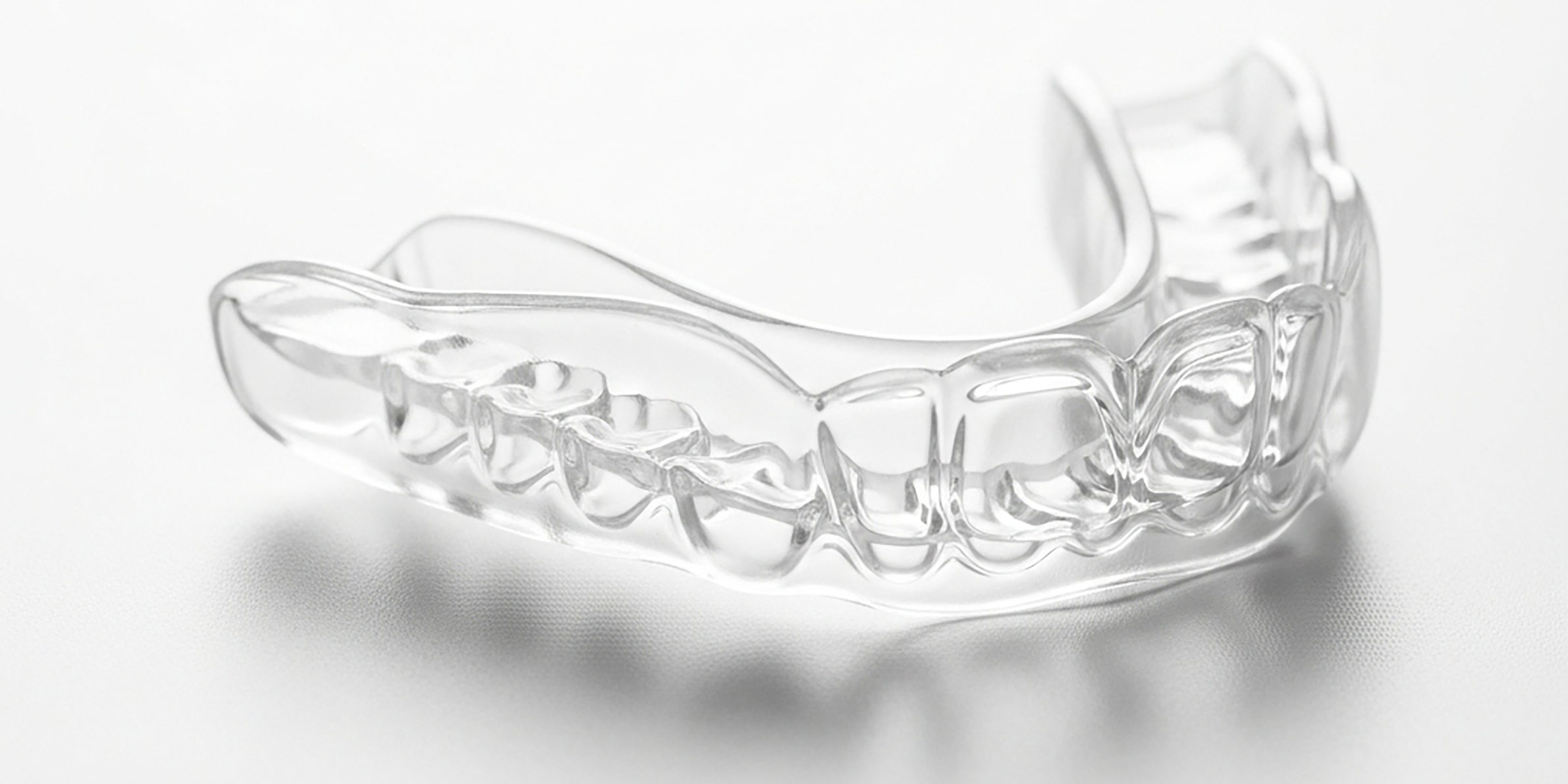
There is rarely one cause, but these are the usual suspects
Bruxism is linked to a mix of stress, sleep, habits and medications. Identifying your triggers is part of how we choose the right treatment.
- StressStress and anxietyThe most common link. Daytime tension often turns into nighttime clenching, and busy or stressful stretches make it worse.
- SleepSleep apnea and disrupted sleepGrinding and sleep apnea often appear together. If you snore or wake unrefreshed, mention it at your exam.
- HabitsCaffeine, alcohol and tobaccoHeavy coffee drinkers are about twice as likely to grind, and alcohol and smoking are both associated with more grinding at night.
- MedsCertain medicationsSome antidepressants, especially SSRIs, can trigger grinding as a side effect. Never stop a medication on your own; tell us and your physician.
- BiteBite and jaw alignmentTeeth that do not meet evenly can make the jaw muscles work overtime. A bite check is part of every bruxism exam.
Sleep bruxism vs. awake bruxism
They look similar in the mirror, but they behave differently and are treated differently.
| Sleep Bruxism | Awake Bruxism | |
|---|---|---|
| When | During sleep, in short bursts you are not aware of | During the day, often while concentrating or stressed |
| Main Action | Grinding and clenching, often with noise a partner hears | Mostly silent clenching and jaw bracing |
| Clues | Morning headaches, sore jaw on waking, worn or chipped teeth | Tight jaw by afternoon, noticing your teeth are touching |
| Links | Sleep apnea, snoring, caffeine and alcohol, some medications | Stress, anxiety, focus-heavy work, habits like gum chewing |
| First-Line Help | Custom night guard plus a check for sleep issues | Awareness training, stress relief, sometimes a daytime appliance |
Bruxism: signs, causes and treatment in one view
A quick visual summary of what to look for, what tends to trigger grinding, and how a dentist helps.

Click image to enlarge
What happens when you come in for grinding
Treatment has two jobs: protect your teeth tonight, and reduce the grinding over time. A cracked tooth from grinding is treated as an emergency visit. Night guards are often partly covered by insurance; see our financial options for details, and browse all dental services.
Exam & Bite Check
We look for wear patterns, cracks and jaw tenderness, and check how your teeth meet.
Custom Night Guard
A guard made from a scan of your teeth cushions the force and protects enamel while you sleep.
Triggers & Habits
Stress strategies, cutting back caffeine and alcohol, and screening for sleep apnea when symptoms point there.
Fix the Damage
Bonding for worn edges, crowns for cracked teeth, and replacing fillings that keep breaking.
Follow-Up
We check the guard and your teeth at each cleaning and adjust the plan if grinding continues.
Three things patients ask most about grinding
Does bruxism cause cavities?
Not directly. Grinding does not create decay, but it thins enamel, opens tiny cracks and breaks down fillings, all of which give bacteria an easier path in. Grinders also tend to get more sensitivity and chipped edges.
Fillings →Is clenching the same as grinding?
Both are bruxism. Clenching is holding the teeth tightly together without movement. Grinding slides them side to side. Clenching strains the jaw muscles most; grinding wears the teeth most. Many people do both.
Jaw Pain Help →Do children grind their teeth?
Yes, and it is common. Many children grind while baby teeth and adult teeth are coming in, and most outgrow it by their teens. We monitor it at checkups and step in if wear or pain shows up.
Pediatric Dentistry →Bruxism FAQs
Bruxism is the habit of grinding, clenching or gnashing your teeth. It usually happens without you noticing, either during sleep or while you are concentrating during the day. It matters because the pressure wears down enamel, strains the jaw and can crack teeth and fillings.
There is no single cause. Stress and anxiety are the most common links, followed by disrupted sleep and sleep apnea, heavy caffeine or alcohol use, smoking, certain antidepressants, and a bite that does not meet evenly. Many people have more than one trigger.
Common clues are a dull headache or sore jaw when you wake up, teeth that look flatter or shorter, new sensitivity to cold, and a partner who hears grinding. The most reliable answer comes from a dental exam, where we can see wear patterns and enamel cracks that you cannot feel yet.
Sometimes. Grinding tied to a stressful period can ease once life settles down, and most children outgrow it. Grinding that continues for months usually does not stop by itself, and the enamel it removes never grows back. That is why a night guard is recommended early even when the cause is being addressed.
Not directly, but it makes them more likely. Grinding thins enamel, creates small cracks and breaks down fillings, which gives bacteria easier access to the tooth. It also causes sensitivity and chipped edges that are often mistaken for decay.
A night guard does not usually stop the grinding itself, but it stops the damage. The guard takes the force so your enamel does not, and it can position the jaw to reduce muscle strain. Reducing the grinding comes from treating triggers like stress, sleep apnea and caffeine.
The two often go together. People with sleep apnea grind more, and grinding may be the body's way of reopening the airway during a pause in breathing. If you snore, wake unrefreshed or have been told you stop breathing at night, tell us so we can coordinate with your physician.
As soon as you notice morning jaw pain, headaches, sensitivity or any chipped or worn teeth, or if a partner hears you grinding. Early treatment is simple and protects enamel you cannot get back. Call (440) 835-8999 or request a visit at our Westlake office.
Stop the grinding before it costs you a tooth
A bruxism exam takes one visit, and a custom night guard can be protecting your teeth within days. Call or book online with Westlake Dental Associates on Center Ridge Road.

Comprehensive Family Care
The tradition of family is central to every visit at Westlake Dental. Our goal is to treat patients with the same care and compassion we would our own families. As general dentists who do not believe in one-size-fits-all care, Drs. Constantinou, Reichard, and McClendon consult with each patient, from children through adults, to provide comprehensive treatment solutions unique to each person.
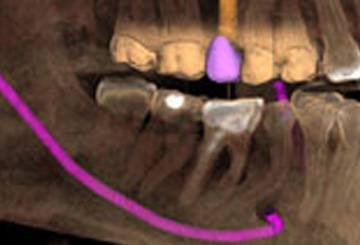
3-D Guided Implants
When it comes to dental implants, accuracy is everything. With the latest 3-D imaging, implants at Westlake Dental are taken to a new level of precision. Dr. Constantinou has traveled the country to study at some of the foremost implant facilities in the world in order to understand the wave of innovation and advancement in the field. Drs. Reichard and McClendon are also trained in the latest technology and methods..
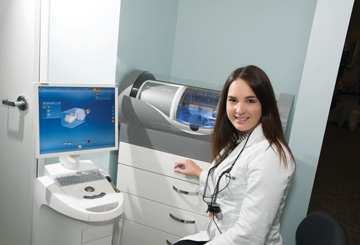
Same-Day Crowns
With Westlake Dental Associates’ state-of-the-art CEREC machine, patients can receive beautiful crowns, often during just one appointment, instead of waiting weeks to get their crowns back from the lab. Teeth are quickly restored without any messy impressions, which means a lower cost and better results than with traditional treatment.
