

Dental Crowns — Strong, Natural-Looking Protection for Damaged Teeth
A dental crown is one of the most dependable solutions in modern dentistry. When a tooth is cracked, severely decayed, worn down, or weakened after a root canal, a crown restores its shape, strength, and appearance — protecting it from further damage and letting you chew and smile with full confidence.
This page walks through how crowns work, when they're needed, the types available, and how they compare to other treatment options — so you can make an informed decision about what's right for your smile.

Signs you may need a dental crown
Not every damaged tooth needs a crown — but certain situations make one the clear best option. A crown is typically recommended when a tooth needs more support or protection than a filling can provide.
- A large cavity too big for a filling
- A cracked or fractured tooth
- Severely worn or chipped teeth
- A tooth that's recently had a root canal
- Discolored or misshapen teeth
- A tooth weakened by old restorations
- Support for a dental bridge
- Covering a dental implant
The only way to know for sure is a quick exam. We'll evaluate your tooth, talk through the options, and recommend the least invasive path that still protects your long-term oral health.
Choosing the right material for your crown
Crowns come in several materials, each with different strengths. The right one depends on where the crown will go, how visible it is, and what your bite demands from it.
All-Porcelain Crowns
Natural-looking crowns that match the translucency and color of real teeth. Often the go-to choice for front teeth where appearance matters most.
All-Ceramic Crowns
Metal-free and biocompatible. Great aesthetic match with excellent durability — a solid all-around choice for patients with metal sensitivities.
Zirconia Crowns
Extremely strong and durable, making them ideal for back teeth that handle heavy chewing forces. Modern zirconia also looks natural up front.
CEREC Same-Day Crowns
Crafted and placed in a single visit using in-office CEREC technology. No temporary crowns, no waiting weeks for a lab.

Same-day crowns — one visit, finished
With our CEREC technology, we can design, mill, and place a porcelain crown during a single appointment. No temporary crown, no second visit, no waiting weeks while a lab finishes the work.
- Digital impressions — no goopy molds
- Custom-milled crown while you wait
- Final placement in the same visit
- Natural-looking porcelain that matches your smile
How a traditional crown is placed
For patients not opting for same-day crowns, the traditional process typically spans two visits over a couple of weeks. Here's how it works from start to finish.
- Exam and consultation We evaluate the tooth, take X-rays, and confirm a crown is the right call. If another option is a better fit, we'll say so.
- Tooth preparation The tooth is gently shaped to make room for the crown. We take a digital impression or mold, then place a temporary crown to protect the tooth.
- Lab fabrication Your permanent crown is crafted to match the shape, color, and bite of your natural teeth. This typically takes one to two weeks.
- Final placement At your follow-up visit, we remove the temporary, check the fit and color of the permanent crown, and bond it securely in place.

Is a crown really the right choice?
Crowns aren't the only option. Depending on your situation, a filling, extraction, or implant might be a better fit. Here's how they compare — and where to learn more about each.
When a filling is enough
For smaller cavities that haven't compromised the tooth's structure, a tooth-colored filling restores the tooth without needing full coverage. Crowns come in when the damage is too extensive for a filling to hold.
When a tooth can't be saved
If a tooth is too damaged to support a crown, extraction may be the right call. When that happens, we'll talk through replacement options to protect your bite and long-term oral health.
Tooth Extractions →Crown on an implant
If a tooth has already been extracted, a dental implant topped with a crown replaces the tooth entirely — root and all. It's the most natural-feeling long-term solution for missing teeth.
Dental Implants →
How long crowns last — and how to make yours last longer
A well-cared-for crown typically lasts 10 to 15 years, and many last much longer. Your habits, bite, and the material used all influence how long your crown stays in top shape. Here's how to protect it.
- Treat it like a real tooth Brush twice daily, floss once daily — your crown needs the same care your natural teeth do, especially along the gumline.
- Avoid hard habits Skip chewing ice, pens, or hard candy. If you grind your teeth at night, ask us about a night guard.
- Keep up with cleanings Regular professional cleanings help us catch any issues with your crown — or the tooth underneath it — early.
- Manage teeth grinding Bruxism is one of the biggest threats to crown lifespan. If you suspect you grind, our bruxism treatment team can help.
Dental Crown FAQs
The most common signs include a cracked or fractured tooth, a large cavity too big for a filling, a tooth that's recently had a root canal, or a tooth that's worn down or damaged beyond what a filling can repair. An exam is the fastest way to know — we'll take a look, talk through options, and recommend only what's genuinely needed.
With good care, most crowns last 10 to 15 years, and many last much longer. Longevity depends on the crown material, your bite, daily oral hygiene, and whether you grind your teeth. Regular cleanings and exams are the best way to protect your crown and the tooth it sits on.
The procedure itself is done under local anesthesia, so you won't feel pain during preparation or placement. Some patients have mild sensitivity or soreness afterward, which typically fades within a few days. If you have dental anxiety, let us know — we'll take extra time to make sure you're comfortable.
Traditional crowns typically require two visits spaced a couple of weeks apart, with a temporary crown in between while the permanent one is made at an outside lab. Same-day (CEREC) crowns are designed, milled, and placed in our office during a single visit — no temporary, no second appointment needed. Both produce excellent results; same-day crowns just fit a different schedule.
Yes. Modern porcelain and ceramic crowns are crafted to match the color, shape, and translucency of your natural teeth. We take care to match the shade of surrounding teeth so the crown blends in — most people won't even know which tooth has the crown.
Absolutely. When a crown eventually wears out, becomes loose, or the underlying tooth changes, we can replace it. Replacement is usually simpler than the original procedure and often doesn't require the same amount of tooth prep.
Most dental insurance plans cover at least a portion of crown costs when the crown is medically necessary. Coverage varies by plan. We'll help you understand your benefits and explore payment options — see our financial options page for accepted insurance plans and financing details.
Call us right away. In most cases, we can re-cement the crown if it comes loose. Avoid chewing on that side and keep the crown safe until your appointment. If it's chipped or damaged, we may need to replace it — which we can often do quickly.
Not sure if a crown is right for you?
Book a consultation and we'll walk through your options — crowns, fillings, implants, or something else — and recommend the most conservative solution that protects your smile.

Comprehensive Family Care
The tradition of family is central to every visit at Westlake Dental. Our goal is to treat patients with the same care and compassion we would our own families. As general dentists who do not believe in one-size-fits-all care, Drs. Constantinou, Reichard, and McClendon consult with each patient, from children through adults, to provide comprehensive treatment solutions unique to each person.
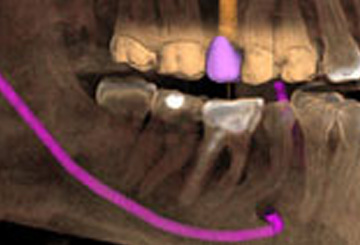
3-D Guided Implants
When it comes to dental implants, accuracy is everything. With the latest 3-D imaging, implants at Westlake Dental are taken to a new level of precision. Dr. Constantinou has traveled the country to study at some of the foremost implant facilities in the world in order to understand the wave of innovation and advancement in the field. Drs. Reichard and McClendon are also trained in the latest technology and methods..
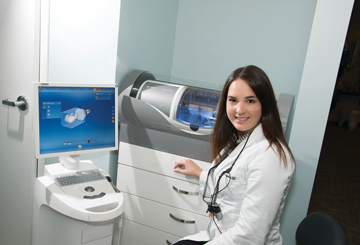
Same-Day Crowns
With Westlake Dental Associates’ state-of-the-art CEREC machine, patients can receive beautiful crowns, often during just one appointment, instead of waiting weeks to get their crowns back from the lab. Teeth are quickly restored without any messy impressions, which means a lower cost and better results than with traditional treatment.
