

Porcelain Veneers — How Long They Last & Whether You're a Candidate
Veneers transform your smile in as few as two appointments — but the results only last as long as you protect them. At Westlake Dental Associates, we help you understand exactly what veneers can do, how long they hold up, and whether your smile is the right fit.
Ultra-thin shells that reshape, recolor, and resize your teeth in two visits
A porcelain veneer is a wafer-thin shell of dental ceramic — typically 0.5 to 0.7 millimeters thick — that is permanently bonded to the front surface of a tooth to change its color, shape, size, or length. They're custom-fabricated in a dental lab from detailed impressions of your teeth, then cemented in place with a light-cured dental adhesive that bonds directly to the enamel.
Veneers are the go-to cosmetic solution for teeth that are discolored beyond what whitening can fix, chipped or worn at the edges, slightly misaligned or gapped without the need for full orthodontic treatment, or simply shorter or less symmetrical than the patient wants. Because they cover only the front surface, veneers preserve most of your natural tooth structure — a meaningful advantage over crowns, which require removing significantly more enamel from all sides.
At Westlake Dental Associates, veneer cases are treatment-planned carefully — we evaluate your bite, your gum health, and your existing tooth structure before any enamel is touched. The right candidate walks away with results that look completely natural and last over a decade with proper care.

How long do porcelain veneers last — and what shortens that timeline
The clinical consensus is that well-placed porcelain veneers last 10 to 15 years on average, with many sets lasting 20 years or more under ideal conditions. What determines which end of that range you land on comes down to four controllable factors.
Teeth Grinding (Bruxism)
Nighttime clenching and grinding generates forces far beyond what normal chewing produces — and porcelain, while strong, is not designed to absorb repetitive lateral stress. Grinding is the leading cause of premature veneer fracture and chipping. Patients who grind must wear a custom night guard to protect their veneers from the same forces that damage natural teeth.
Oral Hygiene & Diet
Veneers themselves don't decay — but the natural tooth structure at the edges and underneath them can. Cavities developing at the margin of a veneer require removing the entire veneer to treat. Daily brushing, flossing, and regular cleanings every six months protect the tooth underneath and extend the veneer's functional life significantly.
Biting Hard Objects
Biting your nails, chewing ice, opening packages with your front teeth, or biting directly into very hard foods puts stress on the thin ceramic that it's not designed to handle. These habits are the most common cause of veneer chipping that patients bring to their next appointment surprised — the porcelain is strong against vertical pressure, but not lateral stress or impact.
Placement Quality
Veneers placed by an experienced cosmetic dentist with precise bite planning, proper tooth preparation depth, and correct bonding technique fail significantly less often than those placed without careful occlusal analysis. How your upper and lower teeth meet when you close determines how much stress the veneer absorbs with every bite — getting this right at placement is the foundation of long-term success.
Porcelain vs. Composite Resin
Porcelain veneers are highly stain-resistant — the glazed ceramic surface repels most pigments from coffee, tea, and wine far better than natural enamel or composite resin. Composite resin veneers (a less expensive alternative) are more porous and prone to discoloration over time. If longevity and stain resistance are priorities, porcelain is the clear material choice.
What Happens After 20 Years
After 15 to 20 years, most veneers show visible wear, edge chipping, or marginal gaps where the gum has naturally receded with age — exposing the edge of the veneer's bond. At that point, replacement is typically recommended. The process is the same as placement, and the natural tooth underneath is re-evaluated before new veneers are fabricated. With proper care, many patients replace their veneers once in a lifetime.
How long do porcelain veneers last — at a glance

Click image to enlarge
How many veneers do you actually need?
One of the most common questions patients ask during a veneer consultation is how many teeth need to be treated. The answer depends on how wide your smile is and how many teeth show when you speak and smile naturally. Cosmetic dentists use the 4-8-10 framework as a starting point — but your individual smile characteristics, facial symmetry, and lip position determine the final count.
The Conservative Smile
Covers the four central incisors — the two top and two bottom front teeth most visible when you smile. Best for patients whose lips frame a narrower smile or whose side teeth don't show much during natural expression.
The Full Social Smile
Extends from canine to canine — covering all eight teeth visible in a broad, natural smile. The most common veneer count. Creates a uniform, symmetrical result across the full width of the smile zone.
The Wide Smile
Adds the first premolars on both sides — ten teeth total. Recommended for patients with a wide smile where the bicuspids are visible during natural expression. Prevents a visible contrast between veneered front teeth and untreated side teeth.
Your dentist determines the right count by analyzing your smile line, lip retraction, and which teeth are visible in photos taken at rest and smiling naturally.
Which cosmetic option is right for your smile goal?
Porcelain veneers and composite dental bonding both improve the appearance of teeth — but they're different treatments for different situations. Here's how to know which one fits your case.

Who is — and isn't — a good fit for porcelain veneers
Veneers are one of the most impactful cosmetic treatments available — but they require a healthy foundation. We evaluate several factors before recommending veneers to make sure your results will last and your underlying teeth stay healthy.
Good candidate if
- Teeth are discolored beyond what whitening can fix
- Teeth are chipped, worn, or irregularly shaped
- Minor alignment issues without full orthodontic need
- Gums are healthy with no active periodontal disease
- Enough enamel present for proper bonding
- Willing to wear a night guard if you grind
Veneers may not be right if
- Active tooth decay or gum disease present
- Insufficient enamel for bonding (heavy erosion)
- Severe bite misalignment needing orthodontics first
- Untreated bruxism without a plan for protection
- Teeth are severely compromised structurally
- Expecting a permanent, zero-maintenance result
If you grind your teeth, veneers are still possible — we simply build a custom night guard into your treatment plan from day one to protect the porcelain investment.
Build your full smile makeover plan
Veneers work best as part of a coordinated cosmetic plan — paired with whitening, bite correction, or protection for lasting results.
Porcelain Veneer FAQs
With proper care, porcelain veneers typically last 10 to 15 years — and many well-maintained sets last 20 years or more. The key variables are whether you grind your teeth (bruxism is the leading cause of early veneer failure), your daily habits around hard foods and biting, your oral hygiene, and the quality of placement. A custom night guard significantly extends lifespan for patients who grind.
After 15 to 20 years, most veneers will need replacing. You'll typically notice edge chipping, color change at the margins, or a visible gap where the gum has naturally receded — exposing a line at the bottom of the veneer. At that point, your dentist evaluates the health of the underlying tooth structure and fabricates new veneers using the same process. The teeth beneath can still develop decay or change over two decades, so a thorough evaluation before replacement is essential.
The 4-8-10 rule is a cosmetic dentistry framework for estimating how many veneers are needed based on smile width. Four veneers cover the four central front teeth — the most conservative option. Eight veneers extend from canine to canine across the full social smile zone. Ten veneers include the first premolars for patients with a wider smile. The right number is determined by analyzing how many teeth are visible when you smile naturally, not a single standard applied to everyone.
Yes — but not without a protection plan. Bruxism doesn't automatically disqualify you from veneers, but placing porcelain on a grinder without addressing the grinding first is a recipe for early failure. We treat bruxism cases by incorporating a custom-fit night guard into the veneer treatment plan from the start. The guard is fabricated to protect the new veneers from the repetitive lateral forces that cause porcelain to crack and chip over time.
Dentists typically advise against veneers when a patient has active tooth decay or gum disease that hasn't been treated, insufficient enamel remaining for proper bonding (severe erosion or heavy enamel wear), or severe bite misalignment that should be corrected with orthodontics before any cosmetic work. They also require caution for patients who are unwilling to address bruxism, since unprotected grinding will fracture the veneers. Veneers are a long-term investment that requires the right oral health foundation to succeed.
For confirmed bruxism patients, zirconia-based veneers or thicker porcelain formulations offer greater fracture resistance than standard feldspathic porcelain. Some dentists recommend e.max (lithium disilicate) for its combination of strength and aesthetics in bruxism cases. Regardless of material, the most important protective step is a custom night guard — material choice alone doesn't compensate for sustained unprotected grinding force. We evaluate which material is appropriate based on your grinding severity and cosmetic goals.
It depends entirely on the situation. Bonding is better for minor chips, small gaps, or a single tooth that needs a quick repair — it's non-invasive, costs less, and is completed in one visit. Veneers are better for significant discoloration, multiple teeth, or cases where you want a stain-resistant, long-lasting result. Bonding lasts 3 to 7 years; porcelain veneers last 10 to 20. If the goal is a whole-smile transformation with long-term stability, veneers are the stronger clinical choice. We discuss both options at your consultation and let you decide based on your goals and budget.
No — veneers are considered an irreversible procedure. To bond veneers properly, a thin layer of enamel (typically 0.5 to 0.7 millimeters) must be removed from the front surface of each tooth. Because enamel doesn't grow back, those teeth will always require a restoration — veneers, bonding, or crowns — for the rest of the patient's life. This is one of the most important considerations during consultation, and it's why we take candidacy evaluation seriously before any preparation begins.
Ready to see if veneers are right for you?
Book a veneer consultation at our Westlake office. We'll evaluate your smile, walk you through your options, and give you a clear picture of what veneers can do — and how long they'll last — before anything is decided.

Comprehensive Family Care
The tradition of family is central to every visit at Westlake Dental. Our goal is to treat patients with the same care and compassion we would our own families. As general dentists who do not believe in one-size-fits-all care, Drs. Constantinou, Reichard, and McClendon consult with each patient, from children through adults, to provide comprehensive treatment solutions unique to each person.
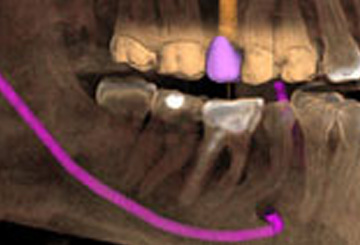
3-D Guided Implants
When it comes to dental implants, accuracy is everything. With the latest 3-D imaging, implants at Westlake Dental are taken to a new level of precision. Dr. Constantinou has traveled the country to study at some of the foremost implant facilities in the world in order to understand the wave of innovation and advancement in the field. Drs. Reichard and McClendon are also trained in the latest technology and methods..

Same-Day Crowns
With Westlake Dental Associates’ state-of-the-art CEREC machine, patients can receive beautiful crowns, often during just one appointment, instead of waiting weeks to get their crowns back from the lab. Teeth are quickly restored without any messy impressions, which means a lower cost and better results than with traditional treatment.
