
Dental Veneers — Custom-Crafted Shells for a Brighter, More Confident Smile
Dental veneers are custom-made, thin shells — typically porcelain or composite resin — bonded to the front surfaces of your teeth to correct cosmetic issues like stains, chips, gaps, or minor misalignment. They deliver a durable, stain-resistant, natural-looking smile transformation that can last 10 to 20 years.
Whether you're looking to brighten discolored teeth, close small gaps, or completely redesign your smile, this page covers how veneers work, the types available, and how they compare to alternatives — so you can choose the right path with confidence.

The cosmetic concerns veneers can transform
Veneers are one of the most versatile cosmetic treatments in dentistry. They camouflage a wide range of imperfections by covering only the front of the tooth — preserving more of your natural tooth structure than a crown would.
- Stained or Discolored Teeth Conceal deep stains that whitening can't fully remove — including tetracycline staining, fluorosis, and root-canal discoloration.
- Chips and Cracks Repair minor enamel damage and chipped edges to restore a smooth, even surface.
- Gaps Between Teeth Close small spaces (diastema) without the time investment of orthodontics.
- Misshapen or Worn Teeth Reshape teeth that are uneven, too small, or worn down — and camouflage minor misalignment.
Choosing the right type of veneer for your smile
Veneers come in several materials and styles, each with different strengths, lifespans, and price points. The right choice depends on your goals, your budget, and how much enamel preservation matters to you.
Porcelain Veneers
10–20 YEAR LIFESPANThe gold standard. Durable, stain-resistant, and mimic the natural translucency of real tooth enamel. Custom-made in a dental lab for a precise, lifelike result.
Composite Veneers
5–7 YEAR LIFESPANTooth-colored resin applied directly to your tooth — often completed in a single visit. More affordable than porcelain, but less stain-resistant over time.
No-Prep Veneers
10–15 YEAR LIFESPANUltra-thin shells (such as Lumineers) that require little to no enamel removal. A reversible option that preserves your natural tooth structure.
Bonded Resin Veneers
5–10 YEAR LIFESPANSimilar to composite, but used for very targeted concerns — a single chipped tooth, a small gap, or a slight color correction on one or two teeth.

A full smile transformation — designed around your face
A great veneer outcome isn't just about whiter teeth. It's about proportion, symmetry, and how the shape of each tooth complements your face. We design every veneer case around your unique features — so the result looks natural, not "done."
How dental veneers are designed and placed
Getting porcelain veneers typically takes two to three visits over a few weeks. Here's a walk-through of what to expect from your first consultation to the day you leave with your new smile.
- Consultation and smile design We discuss the result you want, evaluate your teeth and gums, and design the shape, color, and size of your new smile together. X-rays and impressions may be taken.
- Tooth preparation A small amount of enamel — roughly 0.5mm — is gently removed from the front of each tooth to make room for the veneer. Temporary veneers may be placed while the permanent ones are crafted.
- Custom fabrication Your veneers are custom-made in a dental lab to match your design — typically 2 to 4 weeks. Each shell is shaped, shaded, and finished to blend with your natural teeth.
- Bonding and final fit At your final visit, we check the shape, color, and fit of each veneer, then bond them in place using a special cement cured with a blue light. Final adjustments are made to your bite.

Is a veneer really the right choice?
Veneers are powerful, but they're not the right answer for every smile concern. Here's how they stack up against alternatives — and when one of those might serve you better.
When you need more protection
A veneer covers only the front of the tooth — it's mainly cosmetic. A dental crown covers the entire tooth and adds structural strength. If your tooth is damaged, decayed, or weakened beyond cosmetic concerns, a crown is the right call.
Dental Crowns →When stains run deeper
If discoloration is your only concern, professional teeth whitening is faster, cheaper, and completely reversible. Veneers come in when whitening can't reach the stain — like tetracycline staining or trauma-related darkening.
Teeth Whitening →For smaller, single-tooth fixes
Dental bonding uses tooth-colored resin to fix small chips, gaps, or minor stains — usually in a single visit, with no enamel removal needed. It's reversible but doesn't last as long as porcelain veneers.

Are you a good candidate for veneers?
Veneers can produce dramatic results — but they aren't right for every patient. The best candidates have healthy teeth and gums, realistic expectations, and good oral hygiene habits. Here's a quick breakdown.
Veneers may be right for you if
- You have healthy teeth and gums
- You want to fix stains, chips, gaps, or shape
- You have enough enamel for bonding
- You practice good daily oral care
- You have realistic expectations
Veneers may not be right if
- You have active decay or gum disease
- You have severely weakened teeth
- You grind or clench your teeth (until treated)
- You don't have enough enamel left
- You need structural restoration, not cosmetic
If you grind your teeth, our bruxism treatment team can help address that first — protecting both your natural teeth and any future veneer work.
Dental Veneer FAQs
It depends on the material. Porcelain veneers typically last 10 to 20 years with proper care. Composite veneers last 5 to 7 years on average. No-prep veneers fall somewhere in between, usually 10 to 15 years. Longevity depends on your bite, daily oral hygiene, and whether you grind your teeth.
For most traditional veneers, a small amount of enamel (roughly 0.5mm) is removed from the front of the tooth to make room for the veneer. Your natural tooth structure remains underneath, protected by the veneer. The tooth can still develop decay if oral hygiene is neglected, which is why regular brushing, flossing, and professional cleanings remain essential.
Costs vary based on the type of veneer, number of teeth, and your specific case. Porcelain veneers generally range from $1,000 to $2,500 per tooth, while composite veneers typically cost less. Most dental insurance plans don't cover veneers because they're considered cosmetic — but we'll walk through your options. See our financial options page for accepted plans and financing details.
Most traditional veneers are not reversible because enamel removed during preparation cannot be replaced. However, no-prep and pop-on (removable) veneers don't require enamel removal and are reversible. We'll discuss your options during consultation so you can make the right call for your situation.
Yes. Well-fitted porcelain veneers feel and function very much like your natural teeth. There's typically a brief adjustment period of a few days while your bite and tongue get used to the new surface, but most patients forget they have them within a week or two.
No — once veneers are placed, their color cannot be changed. This is why we recommend completing any teeth whitening before getting veneers. We'll then match the veneer shade to your newly whitened teeth so everything blends naturally.
Porcelain veneers are highly stain-resistant — much more so than natural enamel. Composite veneers, however, can stain over time from coffee, tea, red wine, and tobacco. Good oral hygiene and regular cleanings help keep both types looking their best for years.
It's rare, but possible. Veneers are securely bonded with dental cement and designed to stay in place for years. If one ever loosens, contact us right away — keep the veneer safe, avoid chewing on that side, and we can usually re-bond or replace it quickly.
Veneers are an irreversible procedure for most patients, so a good dentist will only recommend them when they're truly the best fit. If a less invasive option — like whitening, bonding, or orthodontics — can achieve your goals, that's usually the better path. We take a conservative approach: we'll recommend the least invasive treatment that gives you the result you want.
Care for them like your natural teeth: brush twice daily with a soft-bristled toothbrush and non-abrasive toothpaste, floss daily, and keep up with regular dental cleanings. Avoid biting hard objects (ice, pens, fingernails), and wear a night guard if you grind your teeth.
Ready to design the smile you've always wanted?
Book a smile consultation and we'll walk through your options — veneers, whitening, bonding, or another path — and recommend the right approach for your goals, your timeline, and your budget.

Comprehensive Family Care
The tradition of family is central to every visit at Westlake Dental. Our goal is to treat patients with the same care and compassion we would our own families. As general dentists who do not believe in one-size-fits-all care, Drs. Constantinou, Reichard, and McClendon consult with each patient, from children through adults, to provide comprehensive treatment solutions unique to each person.
3-D Guided Implants
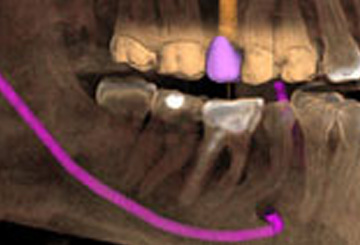
When it comes to dental implants, accuracy is everything. With the latest 3-D imaging, implants at Westlake Dental are taken to a new level of precision. Dr. Constantinou has traveled the country to study at some of the foremost implant facilities in the world in order to understand the wave of innovation and advancement in the field. Drs. Reichard and McClendon are also trained in the latest technology and methods..

Same-Day Crowns
With Westlake Dental Associates’ state-of-the-art CEREC machine, patients can receive beautiful crowns, often during just one appointment, instead of waiting weeks to get their crowns back from the lab. Teeth are quickly restored without any messy impressions, which means a lower cost and better results than with traditional treatment.
