

Root Canal Symptoms in Westlake, OH — 6 Signs You Shouldn't Ignore
Most root canal infections don't announce themselves all at once. The warning signs build gradually — and some of the most serious ones are easy to misread or dismiss. Knowing what to look for means the difference between a simple procedure and a dental emergency.
Why a tooth becomes infected — and why symptoms are easy to miss early on
Inside every tooth is a soft core called the pulp — nerves, blood vessels, and connective tissue that helped the tooth develop. When bacteria reach this inner chamber through deep decay, a crack, a failed filling, or trauma, the pulp becomes infected. The result is inflammation, pressure, and the symptoms described on this page.
The tricky part is that root canal infections don't always produce dramatic, unmistakable pain right away. Early infections may cause only mild sensitivity or a dull ache that comes and goes. Some patients experience significant pain that then suddenly disappears — which they interpret as recovery, but which is actually a sign the nerve has died, not that the infection resolved.
The infection is still active, still spreading, and still destroying the surrounding bone. By the time symptoms become undeniable, the infection is often significantly more advanced than it was when the first subtle signs appeared. This is why recognizing early warning signs matters — and why calling us when something feels off is always the right move.

Root canal symptoms — from most obvious to most easily missed
These six symptoms can appear individually or in combination. The more of them you're experiencing simultaneously, the more likely the pulp is infected. Don't wait for all six before calling — even one persistent symptom deserves an evaluation.
Persistent, Deep Tooth Pain
A constant, throbbing ache that doesn't go away — especially pain that radiates from the tooth into the jaw, ear, or nearby teeth. Unlike a standard toothache triggered by food or pressure, this pain lingers without a clear cause and often worsens at night. It may come and go in waves but never fully resolves. Over-the-counter pain medication provides only partial, temporary relief because it doesn't address the infection producing the pressure.
Sensitivity That Lingers After the Trigger Is Gone
Sharp or dull pain from hot or cold food and drinks that continues for 30 seconds or more after you stop eating or drinking. Healthy teeth may be briefly sensitive to temperature — that sensation should pass within a few seconds. When infected pulp is present, the inflamed nerve tissue sustains and prolongs the response significantly. Lingering sensitivity to heat is a particularly reliable indicator of pulp damage, as it typically suggests irreversible pulpitis that won't heal on its own.
Gum Swelling or a Pimple-Like Bump
Swollen, tender, or discolored gums near a specific tooth — or a small raised bump on the gum that may ooze a salty or bitter fluid. This bump is a dental abscess: a pocket of pus formed as your immune system tries to contain an infection it cannot eliminate on its own. An abscess is a sign the bacteria have migrated beyond the tooth pulp itself. If left untreated, the infection can spread into the jawbone, adjacent teeth, and in severe cases, the soft tissue of the face and neck.
Tooth Darkening or Discoloration
A tooth that gradually turns grayish, brownish, or noticeably darker than its neighbors is displaying a sign of internal nerve death. The discoloration comes from the breakdown products of dying or dead pulp tissue — hemoglobin from damaged blood vessels stains the dentin from the inside. This type of intrinsic staining cannot be removed with whitening treatments and is one of the clearest visual indicators that the tooth's pulp is compromised. It may appear even before pain develops.
Pain When Biting Down or Touching the Tooth
Sharp or throbbing discomfort specifically when applying pressure to the tooth — biting down, chewing, or even touching the tooth's surface with a finger or tongue. When pulp inflammation spreads to the periodontal ligament (the tissue connecting the root to the jawbone), it makes the entire tooth hypersensitive to any applied force. Even chewing soft foods can produce a significant, localized pain response. This symptom often causes patients to unconsciously shift their chewing to one side to avoid loading the affected tooth.
Pain That Suddenly Stopped on Its Own
If a toothache that was bothering you for days or weeks suddenly disappears without treatment, the nerve inside the tooth has likely died — not healed. A dead nerve can no longer send pain signals, which creates the misleading impression that the problem resolved. The bacterial infection remains fully active, continues to multiply, and continues spreading into the surrounding bone and tissue. Patients who ignore a sudden stop in tooth pain often return weeks or months later with a much more advanced infection — and a significantly more complex treatment. This is the most important sign to know.
6 signs you may need a root canal — at a glance

Click image to enlarge
Don't wait to be in agony before calling
Root canal infections caught early are simpler, faster, and less expensive to treat. If you're experiencing any of the signs above — even just one that's been persisting — call us. Same-day emergency appointments are available for patients in pain.

How we confirm a root canal diagnosis — and what we're looking for
Symptoms tell us something is wrong. The clinical exam tells us exactly what and where. Here's what we evaluate at a root canal assessment appointment.
- X-Rays Digital Radiographs X-rays reveal bone loss around the root tip (periapical pathology), the extent of decay, and the anatomy of the root canals. A dark shadow at the root apex is a definitive indicator of infection that has spread into the surrounding bone.
- Pulp Test Vitality Testing We apply cold or electrical stimulation to the tooth to test whether the pulp is alive, dying, or dead. A tooth that responds normally is not yet in need of a root canal. A tooth with no response at all has a dead pulp — confirming irreversible pulpitis.
- Percussion Tapping Test We gently tap the tooth and its neighbors. Pain specifically on percussion of one tooth — especially combined with other symptoms — indicates periapical inflammation: infection spreading beyond the root tip into the surrounding bone tissue.
- Probing Gum & Abscess Evaluation We probe the gum tissue around the tooth to check for abscess formation, sinus tracts, or localized swelling that confirms bacteria have migrated beyond the tooth structure itself into the surrounding periodontal tissues.
If a root canal is confirmed — here's what treatment looks like
A confirmed root canal infection has two paths: treat it or lose the tooth. Here's what each option means and why treatment is almost always the better outcome.
Root Canal Symptom FAQs
The key difference is the depth and nature of the infection. A cavity that hasn't reached the pulp is treated with a filling — there's no nerve involvement, and the pain (if any) is typically mild and triggered by specific stimuli like sweets or cold. When the infection reaches the pulp, a filling is no longer sufficient. Signs that point beyond a filling: persistent pain that doesn't resolve between triggers, pain that radiates to the jaw or ear, swelling on the gum, or a tooth that is darkening in color. A dental X-ray and pulp vitality test at your exam will confirm which treatment is appropriate.
No. Root canal infections do not self-resolve. The pulp tissue, once infected, cannot heal — it has no immune cells capable of fighting the bacteria that have colonized it. The only outcomes without treatment are continued spread of infection into the surrounding bone, abscess formation, and eventual tooth loss. Antibiotics can temporarily reduce swelling and slow the spread of infection, but they cannot penetrate the pulp chamber or eliminate the source of infection inside the tooth. Antibiotics are a bridge to treatment, not a substitute for it.
When a root canal infection causes severe pulp inflammation that the body can't control, the nerve tissue eventually dies from the sustained pressure and bacterial damage. A dead nerve cannot transmit pain signals — so the ache disappears. This is commonly misinterpreted as healing, but the bacterial infection remains fully active in the now-empty pulp chamber and continues spreading into the surrounding jawbone. The absence of pain does not indicate resolution. In fact, a tooth that was recently painful and then suddenly stopped hurting is a high-priority case — don't delay calling us.
A dental abscess from a root canal infection typically appears as a small, raised bump on the gum near the affected tooth — often described as a pimple on the gum. It may be white, yellow, or red. In some cases it ruptures on its own, releasing a salty or bitter fluid and temporarily reducing pressure. This is called a sinus tract or fistula, and while the rupture may relieve some discomfort, it does not mean the infection is draining or resolving. It will refill and may rupture repeatedly until the source of infection inside the tooth is treated.
Not always — but throbbing, pulsating pain is a significant warning sign. Throbbing typically indicates an inflammatory or infectious process with increased blood pressure in a confined space (like the pulp chamber). Other causes can include gum abscesses, cracked tooth syndrome, or pericoronitis around an erupting wisdom tooth. The only way to know for certain is a clinical exam with X-rays and pulp testing. If you have throbbing tooth pain that has persisted more than 24 to 48 hours, call us — don't try to diagnose it yourself.
Antibiotics can temporarily reduce swelling and manage a spreading infection, but they cannot cure a root canal infection. The pulp chamber is avascular once infected — meaning there's no blood flow to deliver the antibiotic to the bacteria living inside it. Antibiotics treat the systemic spread of infection around the tooth; they do not eliminate the source. If you've been prescribed antibiotics for a dental infection, it's a bridge to get you comfortable enough for a proper evaluation and treatment — not a substitute for removing the infected pulp. Delaying treatment while taking antibiotics still allows the infection to progress and damage the surrounding bone.
Call us at (440) 835-8999. We offer same-day emergency appointments for patients with severe tooth pain, dental abscesses, swelling, or any combination of the symptoms described on this page. In the meantime, over-the-counter ibuprofen (anti-inflammatory) is more effective than acetaminophen for dental infection pain because it addresses the underlying inflammation as well as the pain signal. Avoid placing aspirin directly on the tooth or gum — it can cause chemical burns to the soft tissue. Don't delay: infections that are caught and treated early require significantly less intervention than those that are allowed to advance.
Recognizing the signs is step one. Calling us is step two.
If you're experiencing any of the symptoms on this page — even just one that's been persisting — don't wait. Same-day emergency appointments are available at our Westlake office. Early treatment is always simpler, faster, and less expensive.

Comprehensive Family Care
The tradition of family is central to every visit at Westlake Dental. Our goal is to treat patients with the same care and compassion we would our own families. As general dentists who do not believe in one-size-fits-all care, Drs. Constantinou, Reichard, and McClendon consult with each patient, from children through adults, to provide comprehensive treatment solutions unique to each person.
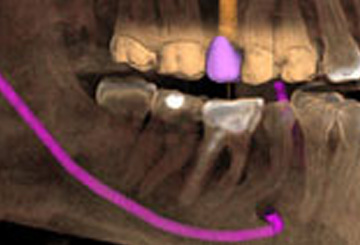
3-D Guided Implants
When it comes to dental implants, accuracy is everything. With the latest 3-D imaging, implants at Westlake Dental are taken to a new level of precision. Dr. Constantinou has traveled the country to study at some of the foremost implant facilities in the world in order to understand the wave of innovation and advancement in the field. Drs. Reichard and McClendon are also trained in the latest technology and methods..
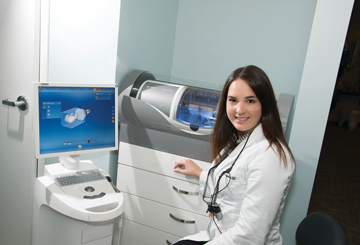
Same-Day Crowns
With Westlake Dental Associates’ state-of-the-art CEREC machine, patients can receive beautiful crowns, often during just one appointment, instead of waiting weeks to get their crowns back from the lab. Teeth are quickly restored without any messy impressions, which means a lower cost and better results than with traditional treatment.
