

Relieve the Pain.
Save Your Natural Tooth.
Modern root canal therapy is gentle, precise, and often completed in a single visit. At Westlake Dental Associates, we use advanced techniques to eliminate infection, stop pain, and preserve your tooth — without the anxiety most patients expect.
A root canal saves a tooth that would otherwise need to be pulled
Inside every tooth is a soft core called the pulp — a bundle of nerves, blood vessels, and connective tissue that helped the tooth grow. When bacteria penetrate deep decay, a crack, or a damaged filling, that pulp becomes infected. The infection causes the pain you're feeling, and left untreated, it spreads into the jawbone and surrounding teeth.
A root canal removes the infected pulp, disinfects the interior canals, and seals the tooth permanently — eliminating the pain and saving the tooth structure. A crown is then placed to restore full function. Most patients are surprised by how straightforward the procedure actually is.
At Westlake Dental Associates, we perform root canals using local anesthesia for complete comfort. Standard cases on front teeth and premolars are completed in a single visit. Complex molar cases with multiple curved canals may require a second appointment to ensure thorough treatment.

Six signs you may need a root canal — don't wait on these
Root canal infections can progress silently before the pain becomes severe. If you're experiencing any of these symptoms, contact us promptly — early treatment is always simpler, faster, and less invasive.
Persistent Tooth Pain
A constant, deep ache that doesn't go away — especially pain that radiates into the jaw, ear, or nearby teeth. Unlike a standard toothache, this pain lingers without a clear trigger and may wake you at night.
Lingering Hot & Cold Sensitivity
Sharp or dull pain from hot or cold foods and drinks that lasts 30 seconds or more after the trigger is gone. Healthy teeth may be briefly sensitive — infected pulp prolongs that reaction significantly.
Gum Swelling or Abscess
Swollen, tender gums near a specific tooth, or a small pimple-like bump on the gum that may ooze. This is a dental abscess — a pocket of infection that signals bacteria have spread beyond the tooth itself.
Tooth Darkening
A tooth that begins to look grayish or brownish-black is showing signs of internal nerve death. The discoloration comes from breakdown products of dying pulp tissue — a clear indicator the tooth is infected.
Pain When Biting or Chewing
Sharp or throbbing discomfort when biting down on a tooth — even soft foods. Infected pulp and periapical inflammation make the supporting ligament extremely sensitive to any applied pressure.
Pain That Stopped on Its Own
If a toothache suddenly disappears, the nerve may have died — not healed. The infection remains active and continues to spread. This requires treatment even without ongoing pain.

Click image to enlarge
What actually happens inside the tooth during a root canal
Understanding the anatomy of your tooth makes the procedure easier to visualize — and less intimidating. A root canal works from the inside out, removing infection while preserving everything that keeps the tooth anchored in your jaw.
- Layer 1 Enamel The hard outer shell — the strongest substance in the human body. Deep decay or fractures can penetrate enamel, opening a pathway to the vulnerable layers beneath.
- Layer 2 Dentin The layer beneath enamel, filled with microscopic channels that transmit sensation to the nerve — which is why deep cavities become painful as they progress.
- Core Infected Pulp Chamber The soft center containing nerves and blood vessels. When bacteria reach this chamber, infection develops — causing the pressure, pain, and swelling that signals treatment is needed.
- Canals Root Canals The narrow channels inside each root housing the pulp tissue. These are cleaned, shaped, and filled with gutta-percha to seal the tooth and prevent re-infection.
- Support Surrounding Bone The jawbone anchoring the tooth. Untreated infection spreads here, causing bone loss that can compromise neighboring teeth. Timely treatment protects what you can't see.
What happens at each stage of your root canal appointment
Most standard root canals are completed in a single visit lasting 60 to 90 minutes. Complex molar cases with multiple curved canals may require a follow-up. Here's exactly what to expect.
Exam & Diagnosis
Digital X-rays map the root anatomy, measure canal length, and confirm the extent of infection before treatment begins.
Numb & Isolate
Local anesthesia completely numbs the tooth and surrounding area. A rubber dam keeps the treatment zone clean and dry.
Clean & Disinfect
Infected pulp is removed through a small access opening. Each canal is carefully shaped and flushed with antimicrobial solution.
Fill & Seal
Cleaned canals are filled with gutta-percha, then sealed with permanent adhesive cement to prevent future bacterial entry.
Crown Placement
A dental crown restores full strength and function. Same-day CEREC crowns are available for qualifying cases.
Front teeth: 45–60 min · Premolars: 60–90 min · Molars: 90–120 min
Book Your AppointmentEverything you need to know, at a glance

Why dentists prefer saving the natural tooth
When a tooth is severely infected, patients often ask whether pulling it is simpler. In most cases, preserving your natural tooth is the better long-term decision — clinically and financially.

Gentle, precise root canal therapy on Center Ridge Road
Our team performs root canal therapy in a calm, well-equipped environment designed to minimize anxiety and maximize comfort. We explain every step before we begin, use topical anesthetic before any injection, and check in throughout the procedure to make sure you're doing well.
Standard root canals — including most front teeth and premolars — are completed in a single visit. For molars with complex, curved canal anatomy, we may schedule a second appointment to ensure every canal is thoroughly cleaned and sealed. We discuss crown options at the same appointment, including same-day CEREC crowns for qualifying cases.
- Digital X-rays and apex locators for precise canal mapping
- Rotary endodontic instruments for faster, more comfortable shaping
- Local anesthesia — complete numbness before any work begins
- Same-day emergency appointments available for severe tooth pain
- CEREC same-day crown placement after root canal when indicated
- Referral to local endodontists for complex calcified or curved canals
After your root canal — what comes next
Root canal therapy saves the tooth structure, but adjacent services complete the treatment and protect your results long-term.
Root Canal FAQs
No — not during the procedure. Local anesthesia completely numbs the tooth and surrounding tissue before any work begins. Most patients report that the procedure feels similar to getting a filling. There is often mild soreness for one to two days afterward, which is manageable with over-the-counter pain relievers like ibuprofen. The tooth pain you're feeling before the root canal is typically far worse than anything experienced during treatment.
Treatment time varies by tooth location and anatomy. Front teeth (incisors and canines) typically take 45 to 60 minutes — they have one root and one canal. Premolars take 60 to 90 minutes with one or two roots. Molars are the most complex, with three to four curved canals, and may take 90 to 120 minutes or require a second visit. We'll give you a specific estimate after reviewing your X-rays at the exam.
The infection does not resolve on its own. Without treatment, it spreads from the pulp into the surrounding jawbone, forming an abscess that causes significant bone loss, eventual tooth loss, and in severe cases can spread to adjacent teeth or the jaw. Early treatment is always less invasive and less expensive than waiting until the infection becomes advanced.
Yes — temporarily. If the nerve inside the tooth dies completely, the pain signal disappears because there is no longer a living nerve to transmit it. However, the bacterial infection remains active and continues to spread. A tooth that was hurting and then suddenly stopped is often more urgent, not less — the absence of pain does not mean the problem is resolved.
Almost always, yes. The exception is front teeth with very small access openings and minimal structural damage. For all premolars and molars that absorb chewing forces, a crown is essential. The root canal procedure removes tissue from inside the tooth, making it more brittle and vulnerable to fracture. A crown distributes chewing force evenly and protects the tooth from splitting. We offer same-day CEREC crowns for qualifying cases.
With proper crown restoration and good oral hygiene, a root canal treated tooth can last a lifetime. Studies show approximately a 95% success rate at 10 years. The crown is just as important as the root canal itself — a tooth left without a crown after treatment is significantly more likely to fracture over time.
Root canal therapy is considered a basic or major restorative procedure depending on your plan, and most dental insurance covers a portion — typically 50% to 80% after deductible. Coverage varies by tooth location, with molars sometimes requiring prior authorization. Our team will review your benefits before your appointment and provide a clear cost estimate. See our financial options page for payment plan details.
Call us as soon as possible — especially if you're in pain. We offer same-day emergency appointments for severe tooth pain, dental abscesses, or swelling. Don't rely on antibiotics alone: while they may temporarily reduce swelling, they do not eliminate the source of infection inside the tooth. Call (440) 835-8999 or use our online contact form to request an urgent appointment.
Tooth pain shouldn't wait
Whether you're dealing with a toothache, swelling, or sensitivity that won't quit, our Westlake team can evaluate and treat you — often the same day. Root canal therapy is faster, gentler, and less disruptive than most patients expect.

Comprehensive Family Care
The tradition of family is central to every visit at Westlake Dental. Our goal is to treat patients with the same care and compassion we would our own families. As general dentists who do not believe in one-size-fits-all care, Drs. Constantinou, Reichard, and McClendon consult with each patient, from children through adults, to provide comprehensive treatment solutions unique to each person.
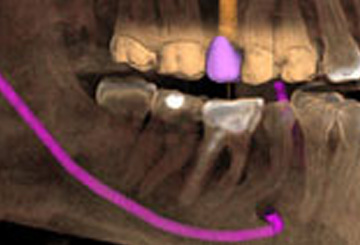
3-D Guided Implants
When it comes to dental implants, accuracy is everything. With the latest 3-D imaging, implants at Westlake Dental are taken to a new level of precision. Dr. Constantinou has traveled the country to study at some of the foremost implant facilities in the world in order to understand the wave of innovation and advancement in the field. Drs. Reichard and McClendon are also trained in the latest technology and methods..
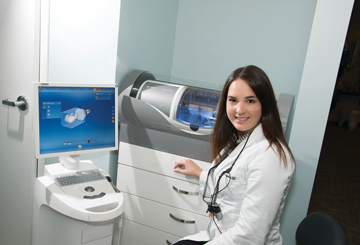
Same-Day Crowns
With Westlake Dental Associates’ state-of-the-art CEREC machine, patients can receive beautiful crowns, often during just one appointment, instead of waiting weeks to get their crowns back from the lab. Teeth are quickly restored without any messy impressions, which means a lower cost and better results than with traditional treatment.
