

Tooth-Colored Fillings — Natural, Mercury-Free Restorations in Westlake, OH
Tooth-colored composite fillings restore decayed or damaged teeth using a biocompatible resin that blends seamlessly with your natural tooth structure — no dark metal, no mercury, and no one can tell it's there. At Westlake Dental Associates, we use advanced layering techniques and precision shade matching to deliver fillings that look, feel, and function like your own teeth.
Whether you need a new filling for a fresh cavity, want to replace an old silver amalgam restoration, or simply want to understand the differences between filling materials, this page covers how composite fillings work, what makes them different, and when they're the right choice.

Four reasons composite fillings have replaced metal as the modern standard
Composite resin fillings aren't just a cosmetic upgrade over traditional silver amalgam — they're a fundamentally better restoration for most patients. Here's why the shift has happened.
- Invisible Restoration Custom shade-matched to your exact tooth color — the filling disappears into your smile. No dark metal lines, no gray shadows showing through the enamel.
- Preserves Tooth Structure Composite bonds directly to the tooth, meaning less healthy enamel needs to be removed during preparation compared to amalgam — which requires mechanical undercuts to stay in place.
- Mercury-Free Composite resin contains no mercury or metal alloys. For patients who want to avoid mercury entirely — whether for health preference or peace of mind — composite is the clear choice.
- Bonds & Strengthens Unlike amalgam, which sits inside the tooth like a plug, composite chemically bonds to the enamel and dentin — actually reinforcing the remaining tooth structure rather than just filling the hole.
How composite stacks up against other filling options
Not all fillings are the same. The right material depends on the location and size of the cavity, the forces the tooth handles, and your aesthetic preferences. Here's how the main options compare.
Composite Resin
7–10+ YEAR LIFESPANA mixture of plastic and fine glass particles that bonds directly to the tooth. Applied in thin layers, each cured with a specialized light. Shade-matched for a seamless, natural result on both front and back teeth.
Silver Amalgam
10–15 YEAR LIFESPANA durable metal alloy that's been used for over 150 years. Extremely strong under heavy chewing forces but visually obvious, requires more tooth removal, and contains elemental mercury.
Porcelain Inlays & Onlays
15–20 YEAR LIFESPANCustom-fabricated ceramic restorations made in a dental lab. More durable and stain-resistant than composite, but require two visits and are used for larger areas of damage that a standard filling can't adequately restore.
Glass Ionomer
5 YEAR LIFESPANA tooth-colored material that releases fluoride to help protect against future decay. Less durable than composite, but ideal for baby teeth, small non-load-bearing cavities, and areas near the gumline.

Why our fillings look like your actual teeth — not like dental work
A great composite filling isn't just about removing decay and plugging the hole. It's about matching the exact shade, translucency, and surface texture of your natural tooth so the restoration is completely invisible. We use a multi-shade layering technique — building the filling in thin increments, each one cured with a specialized light — to recreate the natural depth and variation of real enamel.
How a tooth-colored filling is placed — start to finish
A composite filling is typically completed in a single visit lasting 30 to 60 minutes, depending on the size and location of the cavity. Here's what to expect.
- Numbing and isolation We apply local anesthesia to completely numb the tooth and surrounding area. The treatment zone is isolated to keep it dry — composite resin requires a moisture-free environment to bond properly.
- Decay removal The decayed portion of the tooth is carefully removed, preserving as much healthy enamel and dentin as possible. The cavity is cleaned and prepared for the composite material.
- Layered composite placement The shade-matched composite resin is applied in thin layers. Each layer is sculpted to the tooth's natural contour and hardened with a specialized curing light before the next layer is added — building strength and a natural appearance from the inside out.
- Shaping, polishing, and bite check Once the final layer is cured, we shape the filling to match your bite precisely, smooth the surface, and polish it until it blends with the surrounding enamel. You bite down on articulating paper to confirm everything meets evenly.

Sometimes the damage goes beyond what a filling can fix
Composite fillings work best for small to mid-size cavities. When the damage is more extensive, a different restoration may be the stronger, longer-lasting choice. Here's when to consider alternatives.
When the tooth needs full coverage
If the cavity is too large, or the tooth is cracked, weakened, or has had a root canal, a dental crown covers and protects the entire tooth — providing structural support that a filling alone can't deliver.
Dental Crowns →When you need something in between
For damage that's too large for a filling but doesn't require a full crown, a porcelain inlay or onlay is fabricated in a lab and bonded into place — offering superior strength and longevity. Same-day crowns can also serve this middle ground.
Same-Day Crowns →When the concern is cosmetic
If the front surface of a tooth is chipped, stained, or worn — but structurally sound — a dental veneer may be a better cosmetic solution than repeated composite bonding, offering a longer-lasting, more stain-resistant result.
Dental Veneers →
Signs you may have a cavity — and when composite is the right fix
Cavities don't always hurt. Many develop silently until they're found during a routine exam. Here's how to recognize the signs and know whether a composite filling is the right restoration.
A composite filling is right if
- You have a small to mid-size cavity
- The tooth has minor chips or wear
- You want to replace an old amalgam filling
- The cavity is on a visible front tooth
- You prefer mercury-free restorations
A different restoration may be better if
- The cavity is very large or covers multiple surfaces
- The tooth is cracked or structurally compromised
- You grind your teeth heavily (until bruxism is treated)
- The tooth has already had a root canal
- The damage extends below the gumline
If you grind your teeth at night, fillings are at higher risk of fracturing under the repeated force. Our bruxism treatment team can help protect both your natural teeth and your restorations.
Tooth-Colored Filling FAQs
With proper oral hygiene and regular dental checkups, composite resin fillings typically last 7 to 10 years — and many last longer. Longevity depends on the size and location of the filling, your bite forces, whether you grind your teeth, and how well you maintain daily oral care. Smaller fillings on less-stressed teeth tend to last the longest.
For small to mid-size cavities, composite fillings perform comparably to amalgam. Silver amalgam has a slight edge in raw durability for very large restorations on back molars that absorb heavy chewing forces. However, composite's ability to bond directly to the tooth — preserving more natural structure and reinforcing what remains — makes it the preferred choice for most modern restorations.
We don't recommend replacing intact, functioning amalgam fillings purely for cosmetic reasons — the removal process removes some healthy tooth structure along with the old filling. However, if an existing amalgam filling is cracked, leaking, showing signs of recurrent decay, or causing sensitivity, replacing it with composite is a sound clinical decision that also improves the appearance of the tooth.
No. Local anesthesia completely numbs the tooth and surrounding gums before any work begins — you won't feel pain during the procedure. Some patients experience mild sensitivity to hot and cold for a few days afterward, which typically resolves on its own. If sensitivity persists beyond a week or two, contact us so we can check the bite adjustment.
Common signs include tooth sensitivity to hot, cold, or sweet foods, a sharp or throbbing pain when biting down, visible holes or dark spots on a tooth, or food consistently getting stuck in a specific area. That said, many cavities are completely painless in their early stages — which is why regular dental exams with X-rays are the most reliable way to catch decay before it becomes a bigger problem.
Composite resin is more susceptible to surface staining than porcelain, but less so than your natural enamel. Coffee, tea, red wine, and tobacco are the most common culprits. Regular brushing and professional dental cleanings keep composite fillings looking fresh. If a filling does discolor over time, it can be polished or replaced.
A "mercury-free" dentist simply doesn't place new amalgam fillings — which describes most modern cosmetic practices today, including ours. A "mercury-safe" dentist goes further, using specialized equipment and protocols (like the SMART technique) to safely remove existing amalgam without exposing the patient to mercury vapor during the process. If you're interested in having old amalgam fillings replaced, we can discuss the safest approach for your situation.
Composite resin shrinks slightly — about 1.5% to 3% — as it's cured with the light. This shrinkage can create microscopic stress on the inner walls of the tooth, temporarily irritating the nerve. Using a careful layering technique (which we do) minimizes this effect significantly. Most post-filling sensitivity resolves within one to two weeks. If it doesn't, we'll reassess the bite and the restoration.
It's uncommon with modern bonding techniques, but it can happen — particularly if the filling is old, if you bite into something unexpectedly hard, or if new decay develops around the edges. If a filling comes loose, save it if possible, avoid chewing on that side, and contact us right away. We can re-bond or replace the filling, usually in a single visit.
Composite fillings are fully hardened by the curing light during your appointment — so the filling itself is ready immediately. However, we recommend waiting until the local anesthesia wears off before eating, so you don't accidentally bite your cheek, lip, or tongue. That's typically one to three hours after the procedure.
Need a filling that nobody can see?
Book an appointment at our Westlake, Ohio office. Whether it's a new cavity, an old amalgam you want replaced, or a chipped tooth that needs repair — we'll restore it with a composite filling that matches your smile perfectly.

Comprehensive Family Care
The tradition of family is central to every visit at Westlake Dental. Our goal is to treat patients with the same care and compassion we would our own families. As general dentists who do not believe in one-size-fits-all care, Drs. Constantinou, Reichard, and McClendon consult with each patient, from children through adults, to provide comprehensive treatment solutions unique to each person.
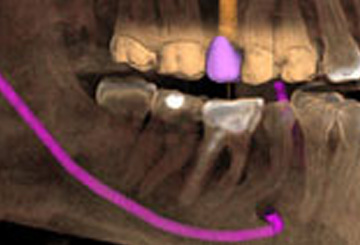
3-D Guided Implants
When it comes to dental implants, accuracy is everything. With the latest 3-D imaging, implants at Westlake Dental are taken to a new level of precision. Dr. Constantinou has traveled the country to study at some of the foremost implant facilities in the world in order to understand the wave of innovation and advancement in the field. Drs. Reichard and McClendon are also trained in the latest technology and methods..

Same-Day Crowns
With Westlake Dental Associates’ state-of-the-art CEREC machine, patients can receive beautiful crowns, often during just one appointment, instead of waiting weeks to get their crowns back from the lab. Teeth are quickly restored without any messy impressions, which means a lower cost and better results than with traditional treatment.
