

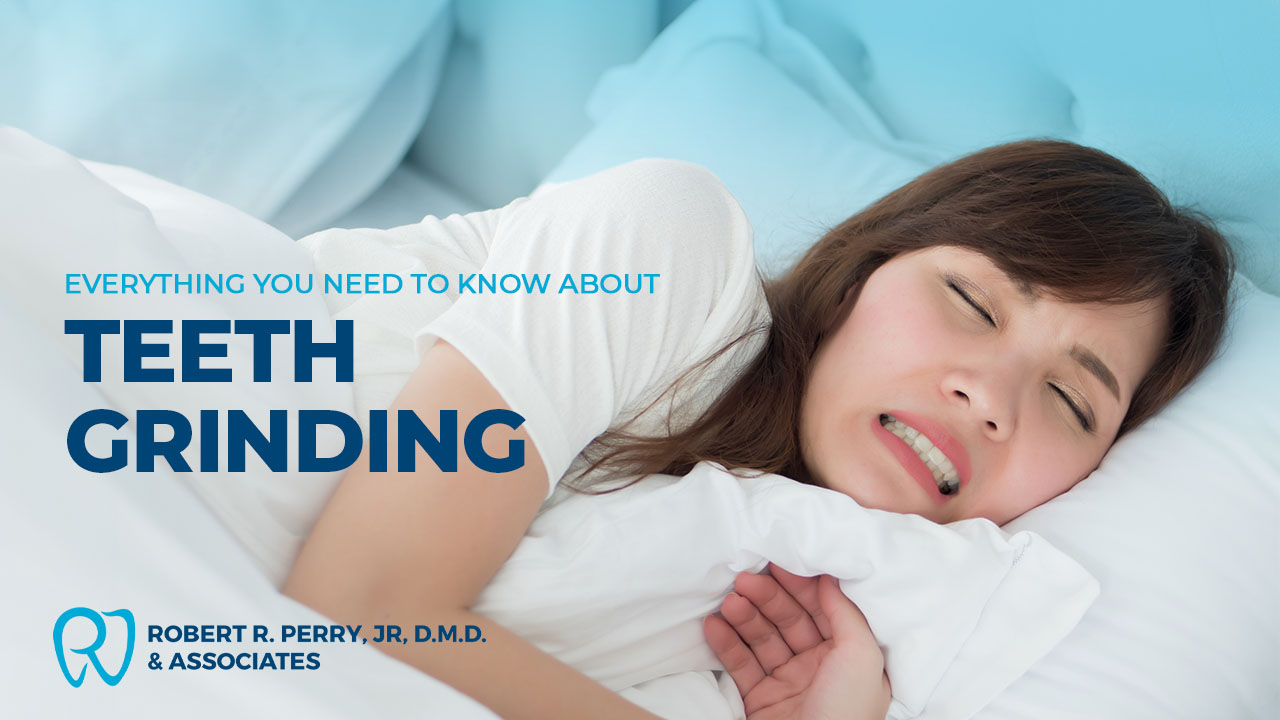
Bruxism, commonly referred to as teeth grinding or clenching, is a condition that affects millions of people worldwide. While it might seem harmless at first glance, bruxism can have serious consequences for your oral health over time. Understanding what bruxism is, its symptoms, and the available treatments can help you take the necessary steps to protect your teeth and overall well-being.
Understanding Bruxism
Bruxism involves the repetitive grinding or clenching of teeth, often without the individual being aware of it. It can occur during the day (awake bruxism) or at night (sleep bruxism), with the latter being more common.
While the exact cause of bruxism remains unclear, stress, anxiety, and certain personality traits — such as being competitive or hyper-focused — are often contributing factors. Bruxism has also been linked to sleep disorders like obstructive sleep apnea, as well as the use of certain medications and stimulants like caffeine or alcohol.
Recognizing the Signs
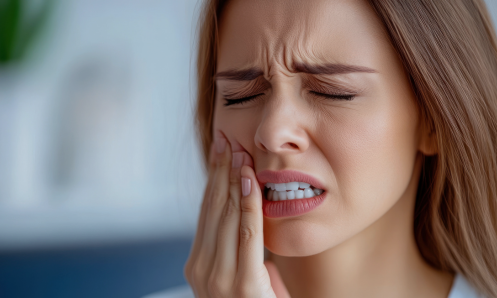
Many people are unaware they grind their teeth until the condition causes noticeable symptoms or damage. Here are some signs that may indicate bruxism:
- Worn or flattened teeth
- Increased tooth sensitivity
- Jaw pain or stiffness, often in the morning
- Headaches or earaches
- Clicking or popping sounds in the jaw
- Indentations on the tongue or inner cheeks
- Damaged tooth enamel or fractured teeth
If you notice any of these symptoms, it's essential to consult a dentist for a proper evaluation.
Why Bruxism Needs Attention
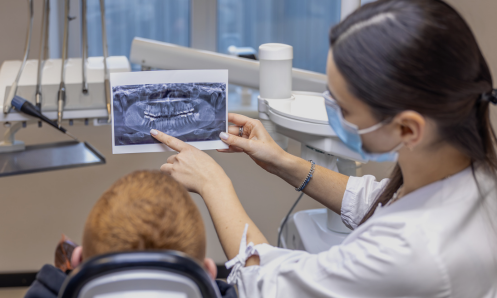
Left untreated, bruxism can lead to significant oral health issues. The constant grinding and clenching wear down the enamel, exposing the sensitive dentin layer of the teeth. This can cause extreme sensitivity and increase the risk of cavities.
Additionally, bruxism can contribute to gum recession, tooth loss, and disorders of the temporomandibular joint (TMJ), which connects the jaw to the skull. Chronic bruxism may even result in changes to the shape of the face over time due to muscle strain.
If you're experiencing these symptoms, our bruxism treatment team in Westlake, OH can evaluate your bite and build a personalized treatment plan.
Treatment Options for Bruxism
The good news is that bruxism is manageable with the right approach. Your dentist can recommend treatments based on the severity of your condition and its underlying causes.
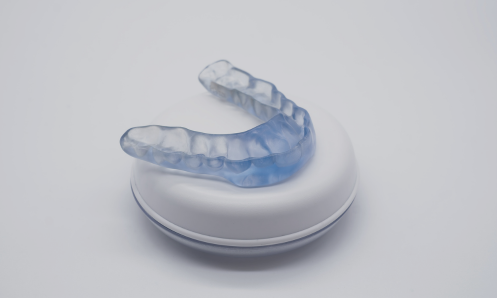
- Custom Mouthguards: Specially designed to fit your teeth and prevent grinding at night. They act as a protective barrier, reducing pressure on the teeth and jaw.
- Stress Management: Since stress is a significant trigger for bruxism, relaxation techniques, mindfulness practices, and counseling can all help reduce clenching.
- Behavioral Therapy: Learning how to properly position your tongue, teeth, and lips can alleviate daytime clenching. Biofeedback tools can also train you to reduce muscle tension.
- Medications: In some cases, muscle relaxants or anti-anxiety medications may be prescribed to ease jaw tension.
- Botox Injections: For severe cases, Botox can be used to relax overactive jaw muscles, reducing grinding without affecting daily functions like chewing or speaking.
Protecting Your Smile at Home
In addition to professional treatments, adopting healthy habits can help minimize the effects of bruxism:
- Avoid chewing gum or hard foods that strain the jaw
- Be mindful of clenching during the day
- Maintain a consistent sleep schedule
- Reduce screen time before bed
- Create a relaxing nighttime routine
Take the First Step Today
Bruxism may seem like a minor inconvenience, but its impact on your oral health can be profound. At Westlake Dental Associates, we're here to help you manage teeth grinding and protect your smile.
Our expert team specializes in creating custom-fitted mouthguards and providing comprehensive care tailored to your needs. Don't wait for bruxism to take a toll on your teeth and jaw.
Frequently Asked Questions About Bruxism
Bruxism is a condition in which a person grinds or clenches their teeth, often unconsciously. It can happen during the day (awake bruxism) or at night (sleep bruxism) and, over time, can wear down enamel, strain the jaw, and lead to tooth and TMJ damage.
Common symptoms include worn or flattened teeth, increased tooth sensitivity, morning jaw pain or stiffness, frequent headaches or earaches, clicking sounds in the jaw, and indentations along the tongue or inner cheeks. Many people first learn they grind their teeth from a dentist or a sleeping partner.
The exact cause isn't fully understood, but stress, anxiety, certain personality traits, sleep disorders like obstructive sleep apnea, bite misalignment, and the use of caffeine, alcohol, or certain medications are all commonly associated with teeth grinding and clenching.
Treatment depends on the severity and cause. Options include custom-fitted night guards, bite adjustments, stress-management techniques, behavioral therapy, and in some cases medication or Botox for overactive jaw muscles. A dentist can evaluate your bite and build a plan tailored to you. Learn more on our bruxism treatment page.
Yes. Chronic grinding and clenching place repetitive strain on the temporomandibular joint, which connects the jaw to the skull. Over time this can lead to TMJ disorders, jaw clicking or popping, limited jaw movement, and chronic facial pain.
If you grind or clench at night, a custom-fitted night guard is often the most effective first line of defense. Unlike over-the-counter options, a custom guard is made to fit your teeth precisely, distributes pressure evenly, and protects enamel from long-term damage.
Bruxism itself isn't always permanent — it can come and go with stress levels, sleep quality, or life changes. However, the damage it causes to enamel and the jaw can be permanent if the condition is left untreated. Early intervention is the best way to prevent long-term harm.
