
Sedation Dentistry — Comfortable, Anxiety-Free Dental Care in Westlake, OH
Dental anxiety keeps millions of adults from getting the care they need — and it doesn't have to. At Westlake Dental Associates, we offer multiple levels of sedation to help you relax through any procedure, from routine cleanings to complex restorative work. You stay safe, comfortable, and in control.
Whether your anxiety is mild or severe, whether you have a strong gag reflex or simply need a large amount of work done in one visit, this page explains your sedation options, how each one works, and how to know which level is right for you.

You're not alone — these are the most common reasons patients choose sedation
Sedation dentistry isn't just for people who are "afraid of the dentist." It serves a wide range of patients with real, practical reasons for needing a calmer, more comfortable experience.
- Dental Anxiety or Phobia If the thought of a dental appointment causes dread, panic, or avoidance — sedation lets you get the care you need without the emotional distress that's been holding you back.
- Strong Gag Reflex A sensitive gag reflex can make even routine impressions and cleanings difficult. Sedation relaxes the reflex, making procedures smoother for both you and your dentist.
- Low Pain Threshold If local anesthesia alone doesn't feel like enough, sedation adds a layer of relaxation that makes the numbness more effective and the entire experience more tolerable.
- Extensive Treatment Needs When multiple procedures need to happen in a single visit — implants, extractions, crowns — sedation lets us work efficiently while you rest comfortably through the entire appointment.
Four levels of sedation — matched to your needs and your procedure
Sedation is not one-size-fits-all. The right level depends on the severity of your anxiety, the complexity of the procedure, and your medical history. Here's how the options compare.
Nitrous Oxide
MINIMAL SEDATIONInhaled through a comfortable nose mask alongside oxygen, nitrous oxide (laughing gas) produces a calm, slightly euphoric feeling within minutes. You remain fully awake and responsive throughout. Effects wear off in minutes — you can drive yourself home.
Oral Conscious Sedation
PILL-BASEDA prescribed sedative pill taken about an hour before your appointment. You'll feel deeply relaxed and drowsy — awake but unlikely to remember much of the procedure. A designated driver is required to take you home.
IV Sedation
INTRAVENOUSAdministered directly into the bloodstream for rapid, precisely controlled sedation. You'll be on the edge of consciousness — responsive to verbal prompts but deeply relaxed with little to no memory of the appointment afterward.
General Anesthesia
COMPLETE UNCONSCIOUSNESSYou are fully asleep and unresponsive throughout the procedure. Administered by a certified anesthesiologist and reserved for complex oral surgeries, severe phobias, or patients with specific medical needs.

What sedation actually feels like — and what it doesn't
Sedation dentistry targets your anxiety, not your pain. Every sedation option is paired with local anesthesia to numb the treatment area completely. The sedation simply removes the fear, the tension, and — with deeper levels — the memory of the appointment. Most patients describe it as feeling like they blinked and the procedure was over.
How a sedation dentistry appointment works
If you've never had sedation at the dentist, the process is straightforward — but it does require some preparation on your part. Here's what happens from consultation to recovery.
- Consultation and medical review We review your full medical history, current medications, allergies, and any breathing conditions (like sleep apnea or COPD) that affect which sedation levels are safe for you. We'll recommend the right option and explain exactly what to expect.
- Pre-appointment preparation For oral or IV sedation, you'll receive specific instructions — fasting requirements, clothing guidance, and arranging a responsible adult to drive you home and stay with you during recovery. Nitrous oxide requires no special preparation.
- Sedation and treatment On the day of your appointment, we administer the sedation, wait for it to take effect, confirm your comfort level, then proceed with the dental work. Your vital signs — blood pressure, oxygen levels, heart rate — are monitored continuously throughout.
- Recovery and aftercare For nitrous oxide, you recover within minutes and can drive home. For oral or IV sedation, you'll feel groggy for several hours — your escort takes you home, and you rest for the remainder of the day. We'll check in to make sure everything went smoothly.

Procedures where sedation makes the biggest difference
Any dental procedure can be performed with sedation, but these are the treatments where patients benefit most from the added comfort and relaxation.
Dental implant placement
Dental implants involve surgical placement of titanium posts into the jawbone — a procedure that can take one to several hours. Oral or IV sedation lets you rest comfortably through the entire process without anxiety or fatigue.
Dental Implants →Tooth extractions and oral surgery
Whether it's a single extraction or multiple teeth, sedation removes the anxiety of hearing and feeling the procedure. For surgical or impacted tooth extractions, deeper sedation ensures you're completely at ease.
Tooth Extractions →Pediatric dental care
Children who are fearful, very young, or need extensive work often benefit from nitrous oxide or mild sedation. It keeps them calm, cooperative, and safe — and makes the experience positive rather than traumatic.
Pediatric Dentistry →
Who qualifies for sedation dentistry — and who may need extra evaluation
Most healthy adults and teens are good candidates for sedation. However, certain medical conditions require careful screening to determine which sedation level is safe. Here's a quick guide.
Sedation is likely right if
- You experience dental anxiety or phobia
- You have a strong gag reflex
- You need multiple procedures in one visit
- You have difficulty sitting still for long periods
- Past dental experiences have been traumatic
Extra screening needed if
- You have severe sleep apnea or respiratory issues
- You take medications that depress the nervous system
- You have uncontrolled high blood pressure
- You are pregnant or may be pregnant
- You have a history of adverse reactions to sedation
If you're experiencing acute dental pain that can't wait, our emergency dental care team can see you quickly — and sedation is available for emergency procedures as well.
Sedation Dentistry FAQs
IV sedation is widely considered the most effective option for severe dental anxiety. It works rapidly, produces deep relaxation, and causes anterograde amnesia — meaning you'll have little to no memory of the procedure. For patients with true dental phobia, IV sedation often makes the difference between avoiding care entirely and getting the treatment they need.
No. Sedation itself targets anxiety, not pain — but it's always paired with local anesthesia to completely numb the treatment area. Because you're deeply relaxed, the local anesthetic is often more effective than it would be on an anxious, tense patient. The result is a procedure with zero pain and minimal awareness.
Yes — when administered by a properly trained and permitted dentist. In Ohio, the State Dental Board requires specific permits, advanced training, and on-site emergency equipment for each level of sedation. Your vital signs are monitored continuously throughout the procedure. We review your full medical history beforehand to ensure the chosen sedation level is safe for your specific health profile.
It depends on the level. With nitrous oxide, you're fully awake and aware — just relaxed. With oral sedation, you're drowsy and may drift in and out of light sleep. With IV sedation, you're on the edge of consciousness and unlikely to remember anything. Only general anesthesia puts you completely to sleep. We'll recommend the level that matches your needs and your comfort.
Only after nitrous oxide, which clears your system within minutes. For oral sedation, IV sedation, or general anesthesia, you cannot drive for the rest of the day. A responsible adult must physically come to our office to escort you home — rideshare services alone are not sufficient. Plan to rest for the remainder of the day.
Patients with severe respiratory conditions (like advanced COPD), uncontrolled sleep apnea, uncontrolled hypertension, or congestive heart failure may not be safe candidates for certain sedation levels. Pregnant women are generally advised to avoid sedation beyond nitrous oxide. We screen every patient carefully — if deeper sedation isn't safe for you, we'll find an alternative approach that still keeps you comfortable.
Not quite. "Sleep dentistry" is a common term that usually refers to moderate IV sedation or oral conscious sedation — where you feel like you're sleeping but are technically still responsive. True general anesthesia is a medically induced state of complete unconsciousness, administered by a certified anesthesiologist with advanced airway monitoring. We'll clarify exactly which level you're receiving.
Nitrous oxide is inhaled through a nose mask, provides mild relaxation, wears off in minutes, and lets you drive home. IV sedation is delivered through a vein, produces much deeper relaxation, often causes amnesia, and requires hours of recovery plus an escort home. Nitrous is better for mild anxiety and short procedures; IV sedation is better for severe anxiety and complex work.
A standard root canal is typically performed under local anesthesia alone — most patients don't need sedation for it. However, if you're anxious about the procedure, we can add nitrous oxide or oral sedation to keep you relaxed. Being fully put to sleep with general anesthesia for a root canal is rare and usually unnecessary.
For nitrous oxide, no special preparation is needed. For oral or IV sedation, you'll receive specific instructions: fast from food and drink for a set period before your appointment, wear loose clothing with short sleeves for IV access and blood pressure monitoring, remove nail polish so the pulse oximeter can read your oxygen levels, and arrange for a responsible adult to drive you home and stay with you afterward.
Don't let anxiety keep you from the dentist
Book a sedation consultation at our Westlake, Ohio office. We'll review your health history, discuss your concerns, and recommend the sedation level that lets you get the care you need — comfortably and safely.

Comprehensive Family Care
The tradition of family is central to every visit at Westlake Dental. Our goal is to treat patients with the same care and compassion we would our own families. As general dentists who do not believe in one-size-fits-all care, Drs. Constantinou, Reichard, and McClendon consult with each patient, from children through adults, to provide comprehensive treatment solutions unique to each person.
3-D Guided Implants
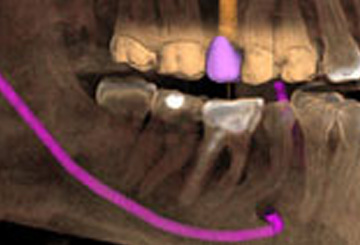
When it comes to dental implants, accuracy is everything. With the latest 3-D imaging, implants at Westlake Dental are taken to a new level of precision. Dr. Constantinou has traveled the country to study at some of the foremost implant facilities in the world in order to understand the wave of innovation and advancement in the field. Drs. Reichard and McClendon are also trained in the latest technology and methods..
Same-Day Crowns
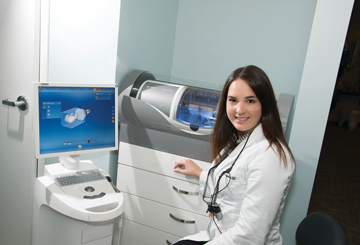
With Westlake Dental Associates’ state-of-the-art CEREC machine, patients can receive beautiful crowns, often during just one appointment, instead of waiting weeks to get their crowns back from the lab. Teeth are quickly restored without any messy impressions, which means a lower cost and better results than with traditional treatment.
