
Sedation Dentistry — Comfortable, Anxiety-Free Dental Care in Westlake, OH
Dental anxiety keeps millions of adults from getting the care they need — and it doesn't have to. At Westlake Dental Associates, we offer multiple levels of sedation so you can relax through any procedure, from a routine cleaning to complex restorative work, without fear or discomfort.
Sedation removes the fear — so you can finally get the care you've been avoiding
Sedation dentistry uses medication to help patients relax during dental procedures. It ranges from mild anxiety relief (nitrous oxide that wears off in minutes) to deep relaxation (IV sedation that leaves you with little to no memory of the appointment). In every case, sedation is paired with local anesthesia — so you feel no pain during treatment.
Sedation isn't just for people with severe dental phobia. It's used routinely for patients with strong gag reflexes, very sensitive teeth, difficulty sitting still for extended periods, or those who need a large amount of work completed efficiently in a single appointment. It's also an option for patients who had a traumatic dental experience in the past and want to reset their relationship with dental care.
At Westlake Dental Associates, we review your full medical history, current medications, and the procedure being performed before recommending any sedation level. Your vital signs are monitored continuously throughout treatment regardless of which option you choose.

You don't have to be terrified of the dentist to benefit from sedation
Sedation serves a much wider range of patients than most people realize. Here are the six most common situations where sedation makes dental care possible — or significantly more comfortable.
Dental Anxiety or Phobia
If the thought of a dental appointment causes genuine dread, avoidance, or panic — sedation lets you get the care you need without the emotional barrier that's been holding you back. Many patients describe their first sedation appointment as the one that changed their relationship with dental care entirely.
Strong Gag Reflex
A sensitive gag reflex makes even routine impressions, X-rays, and cleanings uncomfortable or impossible. Sedation — even light nitrous oxide — significantly reduces the gag response, making procedures faster and more comfortable for both you and your dentist.
Extensive Treatment Needs
When multiple procedures need to happen in a single visit — implants, extractions, crowns, or a full restorative plan — sedation allows your dentist to work efficiently while you rest comfortably through the entire appointment rather than scheduling multiple stressful visits.
Low Pain Threshold
If local anesthesia alone doesn't feel like enough, sedation adds a layer of relaxation that makes the numbing more effective and the entire experience more tolerable. Anxious patients often find that the same anesthetic works better when they're calm rather than tense.
Traumatic Dental History
A previous painful or frightening dental experience creates an anticipatory anxiety that makes future visits much harder. Sedation provides a way to break that cycle — having a comfortable, uneventful appointment under sedation resets the pattern and makes the next visit easier.
Difficulty Sitting Still
Patients with certain medical conditions, high anxiety, or ADHD who struggle to remain still during dental procedures benefit significantly from sedation. It reduces involuntary movement and allows the dentist to work with greater precision — improving both the experience and the result.
Four levels of sedation — matched to your anxiety, your procedure, and your health
Sedation dentistry isn't one size fits all. The right level depends on the severity of your anxiety, the complexity of the procedure, your medical history, and how much you want to remember afterward. Here's how the four options work.
Nitrous Oxide
Inhaled through a comfortable nose mask, nitrous oxide produces calm, mild euphoria within minutes. You stay fully awake and responsive throughout. Effects clear completely within 5 minutes of removing the mask — you can drive yourself home.
Oral Conscious Sedation
A prescription sedative pill (typically a benzodiazepine) taken one hour before your appointment. You'll feel deeply drowsy and calm — awake but unlikely to remember much of the procedure. A designated driver is required.
IV Sedation
Administered directly into the bloodstream for rapid, precisely controlled sedation. You'll be in a twilight state — responsive to verbal prompts but deeply relaxed with little to no memory of the appointment afterward. Driver required.
General Anesthesia
Complete unconsciousness administered by a certified anesthesiologist. Reserved for highly invasive oral surgeries, severe dental phobia, or patients with specific medical needs that make lighter sedation insufficient.

The most popular sedation option — mild, fast, and you drive home after
Nitrous oxide is the most widely used dental sedation option for a reason: it works within minutes, produces a pleasant floating sensation without knocking you out, and clears your system within five minutes of removing the mask. It's the only sedation option that allows you to drive yourself home after your appointment.
It's delivered through a small, comfortable nose mask alongside oxygen. The concentration is adjusted in real time — your dentist can increase or decrease the effect based on how you're responding. Most patients describe it as a warm, slightly giggly feeling of calm.
- Onset Works in 3–5 MinutesOne of the fastest-acting sedation options — effective before the dentist begins any procedure.
- Awareness Fully Awake & ResponsiveYou can hear and respond throughout the appointment — sedation targets anxiety, not consciousness.
- Recovery Clears in 5 MinutesOnce the mask is removed, the gas is exhaled and you're back to normal almost immediately — no lingering grogginess.
- Driving Drive Yourself HomeThe only sedation level where you don't need a designated driver — your reflexes and judgment are fully restored before you leave.
Which sedation level is right for you?

Click image to enlarge
How a sedation dentistry appointment works — from consultation to recovery
If you've never had sedation at the dentist, the process is straightforward — but some levels require preparation. Here's the full flow from your first conversation to going home.
Consultation & Medical Review
We review your full health history, medications, allergies, and any respiratory conditions that affect which sedation levels are safe for you. We recommend the right option and explain exactly what to expect.
Pre-Appointment Preparation
For oral or IV sedation: fast from food and drink for the required period, arrange a designated driver, wear comfortable clothing. Nitrous oxide requires no special preparation.
Sedation & Treatment
We administer the sedation, wait for it to take effect, confirm your comfort level, then proceed. Your blood pressure, oxygen levels, and heart rate are monitored continuously throughout.
Recovery & Follow-Up
Nitrous: drive home in minutes. Oral or IV: your escort takes you home; rest for the remainder of the day. We check in afterward to make sure everything went smoothly.
Who qualifies for sedation — and who may need extra evaluation first
Most healthy adults are excellent candidates for at least one level of sedation. However, certain medical conditions require careful screening to ensure the right level is safe for your specific health profile.
Sedation is right for you if
- You experience dental anxiety or full dental phobia
- You have a strong or sensitive gag reflex
- You need multiple procedures in a single visit
- You've had a traumatic dental experience in the past
- You have difficulty staying still for extended periods
- Local anesthesia alone feels insufficient
Extra screening required if
- Severe sleep apnea or respiratory conditions
- Medications that depress the central nervous system
- Uncontrolled high blood pressure or heart conditions
- Pregnancy (nitrous may be considered; other levels avoided)
- History of adverse reactions to sedation or anesthesia
- Severe liver or kidney disease
Procedures where sedation makes the biggest difference
Sedation is available for any procedure — but these are the treatments where patients benefit most from the added comfort and relaxation.
Sedation Dentistry FAQs
No. Sedation itself targets anxiety and awareness — it does not numb the teeth. Every sedation option is paired with local anesthesia to completely numb the treatment area before any work begins. Because you're relaxed under sedation, the local anesthetic is often more effective than it would be for an anxious, tense patient. The result is zero pain and minimal awareness — most patients describe it as feeling like they blinked and the procedure was over.
IV sedation is widely considered the most effective option for severe dental anxiety or phobia. It works rapidly, produces deep relaxation, and causes anterograde amnesia — meaning you'll have little to no memory of the procedure. For patients with true dental phobia who've been avoiding care for years, IV sedation is often the option that finally makes treatment possible. We evaluate each patient individually, but IV sedation is our most commonly recommended option for severe cases.
Only after nitrous oxide, which clears your system within five minutes of removing the mask. For oral conscious sedation, IV sedation, or general anesthesia, you cannot drive for the remainder of the day. A responsible adult must come to our office and physically escort you home — rideshare services alone are not considered adequate for your safety. Plan to rest at home for several hours after the appointment for moderate to deep sedation levels.
Yes — when administered by a properly trained and permitted dental team. In Ohio, the State Dental Board requires specific permits, advanced training, and on-site emergency equipment for each level of sedation beyond nitrous oxide. We perform a full medical review before any sedation appointment and monitor your vital signs (blood pressure, oxygen levels, heart rate) continuously throughout the procedure. If any contraindications exist, we recommend the safest alternative level or refer to an appropriate specialist.
It depends on the level. With nitrous oxide, you're fully awake and responsive — just calm and relaxed. With oral conscious sedation, you're deeply drowsy and may drift in and out of a light sleep, but can still respond to verbal prompts. With IV sedation, you're in a twilight state — technically responsive but unlikely to remember anything. Only general anesthesia results in complete unconsciousness. We'll recommend the level that matches your anxiety, your procedure, and your comfort preferences.
Nitrous oxide is inhaled through a nose mask, takes effect in 3 to 5 minutes, produces mild relaxation and calm, and clears from your system within 5 minutes of removal — you drive home yourself. Oral sedation is a prescription pill taken about an hour before your appointment. It produces a much deeper, longer-lasting drowsiness — you remain awake but are significantly more relaxed and will likely have little memory of the procedure. You cannot drive after oral sedation and will feel groggy for several hours. Nitrous is better for mild anxiety and short procedures; oral sedation is better for moderate to significant anxiety and longer appointments.
For nitrous oxide, no special preparation is needed. For oral or IV sedation: fast from food and drink for the number of hours we specify before your appointment; wear loose, comfortable clothing with short sleeves for blood pressure monitoring and IV access; remove nail polish so the pulse oximeter can accurately read your oxygen levels; and arrange for a responsible adult to drive you home and stay with you for the remainder of the day. We provide detailed written pre-op instructions at your consultation appointment.
Coverage varies significantly by plan. Nitrous oxide is sometimes covered partially, particularly for pediatric patients or for procedures where it's considered medically indicated. Oral and IV sedation are less consistently covered. Some plans cover sedation when a documented medical necessity — such as severe dental phobia or a specific medical condition — is established. We recommend contacting your insurer before your appointment. Our team can provide the billing codes to help you verify benefits and submit claims if applicable. See our financial options page for payment plan information.
Don't let anxiety keep you from the dentist
Book a sedation consultation at our Westlake office. We'll review your health history, talk through your concerns, and recommend the level that lets you get the care you need — comfortably and safely.

Comprehensive Family Care
The tradition of family is central to every visit at Westlake Dental. Our goal is to treat patients with the same care and compassion we would our own families. As general dentists who do not believe in one-size-fits-all care, Drs. Constantinou, Reichard, and McClendon consult with each patient, from children through adults, to provide comprehensive treatment solutions unique to each person.
3-D Guided Implants
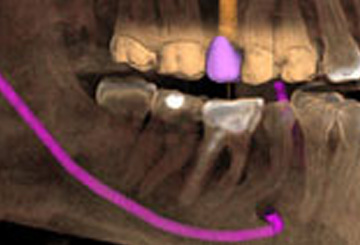
When it comes to dental implants, accuracy is everything. With the latest 3-D imaging, implants at Westlake Dental are taken to a new level of precision. Dr. Constantinou has traveled the country to study at some of the foremost implant facilities in the world in order to understand the wave of innovation and advancement in the field. Drs. Reichard and McClendon are also trained in the latest technology and methods..
Same-Day Crowns
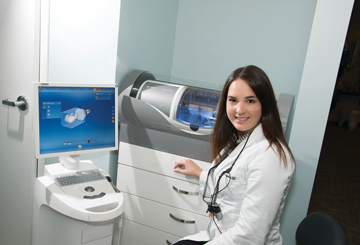
With Westlake Dental Associates’ state-of-the-art CEREC machine, patients can receive beautiful crowns, often during just one appointment, instead of waiting weeks to get their crowns back from the lab. Teeth are quickly restored without any messy impressions, which means a lower cost and better results than with traditional treatment.
